
Contact Us
Stone Masonry in Antioch, CA
Stone doesn't apologize for being expensive. It doesn't pretend to be quick or easy. It just sits there, solid and beautiful, outlasting everything around it.
Natural stone masonry is the kind of work that makes people stop and look. It's the retaining wall that becomes a neighborhood landmark. The fireplace that defines a room. The entrance feature that says "this property is different."
We're the stone masonry contractor near me and stone mason near me that property owners call when they want something that'll still look incredible 50 years from now. This isn't work for contractors who rush or cut corners—stone demands patience, skill, and respect for the material.
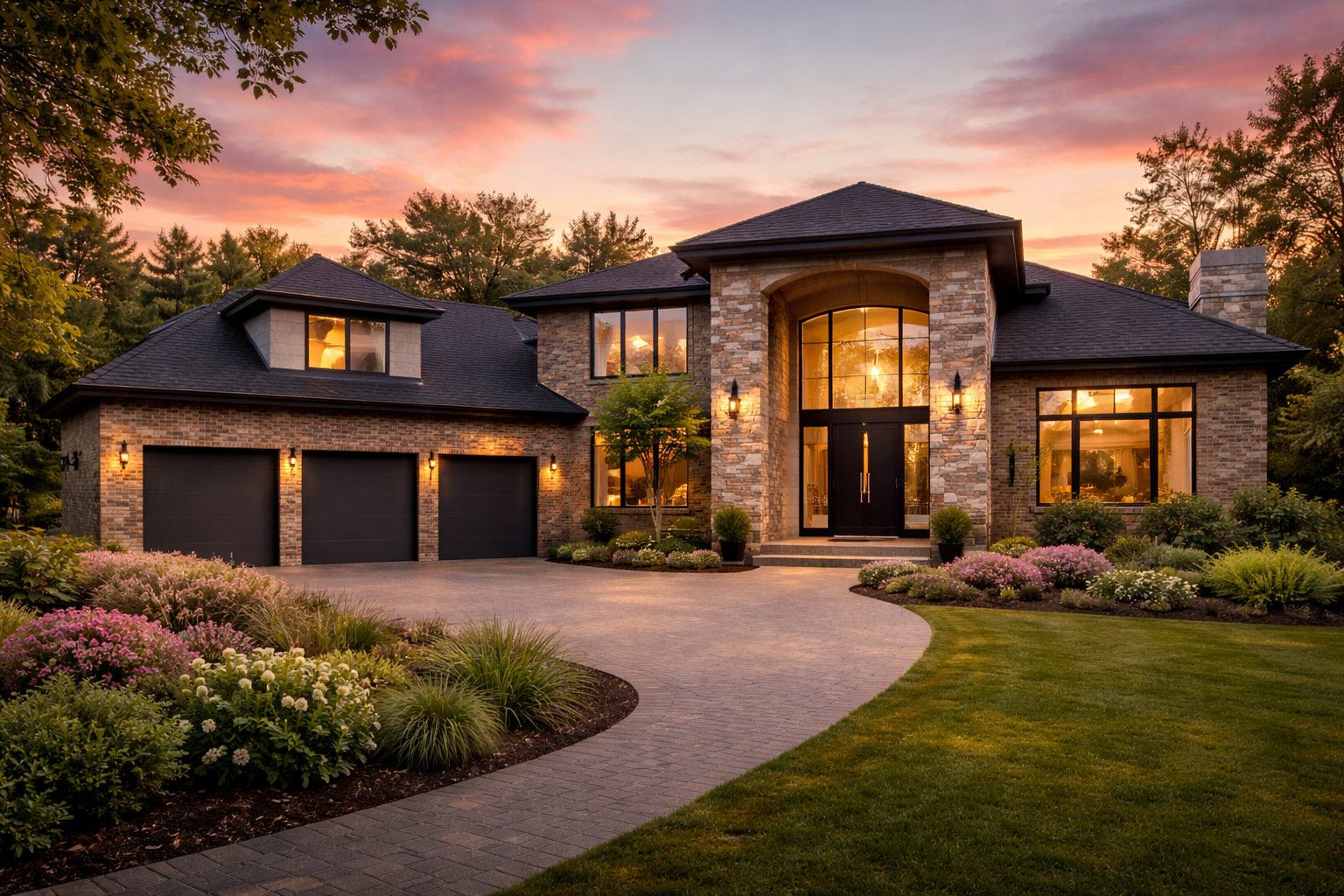
Natural Stone Masonry: Working With What Nature Provides
Natural stone masonry means working with materials that were formed over millions of years. Every stone is different—different size, shape, color, texture. That's what makes it beautiful, and that's what makes it challenging.
As a natural stone masonry contractor , we've worked with flagstone, fieldstone, limestone, granite, sandstone, and slate throughout Antioch. Each type has its own characteristics, its own quirks, its own way it wants to be laid.
Good stone masons don't force stone into place—they find where each piece naturally fits, where it wants to go. That takes experience and an eye that can't be taught from a book.
We're a residential stone masonry contractor that's built everything from garden walls to entire stone facades. Every project is custom because every stone is unique.
Stone Veneer Installation: The Look Without the Load
Stone veneer installation gives you the appearance of solid stone construction at a fraction of the weight and cost. Veneer is thin stone (typically 1-3 inches) applied over an existing structure—it's not load-bearing, just decorative.
Modern manufactured stone veneer has come a long way, but nothing beats real natural stone veneer . We work with both, depending on your budget and aesthetic preferences.
Our stone veneer installation process includes proper substrate preparation, weather-resistant barriers, metal lath, mortar application, and careful stone selection and placement. Done wrong, veneer can look fake or fall off. Done right, it's virtually indistinguishable from solid stone construction.
Stone Wall Construction: Built to Last Centuries
Stone wall construction is where craftsmanship really shows. A stone wall contractor near me needs to understand structural principles, drainage, and how to select and place stones so they lock together and support each other.
We build stone retaining wall contractor projects that hold back tons of soil while looking like natural rock formations. We construct stone wall contractor near me garden walls that define spaces and add character to landscapes. We create property boundary walls that make statements.
Dry-stack walls (no mortar) require even more skill—every stone must be positioned perfectly to create a stable structure through friction and gravity alone. Mortared walls allow more flexibility but still demand careful stone selection and placement.
Why Stone Costs More (And Why It's Worth It)
Let's be honest: stone masonry isn't cheap. The materials cost more. The labor takes longer. The skill level required is higher.
But here's what you get for that investment:
Timeless beauty. Stone doesn't go out of style. It doesn't look dated. A well-built stone feature looks as good in 50 years as it does the day we finish it.
Unmatched durability. Stone walls built by Romans 2,000 years ago are still standing. Your stone work will outlast everything else on your property.
Unique character. No two stone installations look identical. Your stone work is literally one-of-a-kind.
Property value. Quality stone work adds significant value to your property—it's one of the few improvements that actually returns more than it costs.
We're a
stone mason near me
that sources quality materials, employs skilled craftsmen, and takes the time to do stone work right. If you want something extraordinary that'll last for generations, call us for a detailed estimate on your
stone masonry contractor near me
project.
Frequently Asked Questions
What's the difference between natural stone and manufactured stone veneer?
Natural stone is quarried from the earth—it's real rock cut into usable pieces. Manufactured stone (also called cultured stone) is concrete molded and colored to look like natural stone. Natural stone is heavier, more expensive, more durable, and has genuine color variation. Manufactured stone is lighter, less expensive, more uniform, and easier to install. Both have their place, but natural stone has a depth and authenticity that manufactured stone can't quite replicate.
How much does natural stone masonry cost?
Natural stone work typically ranges from $40-80+ per square foot installed, depending on stone type, complexity, and whether it's veneer or full-thickness construction. Rare or imported stones cost more. Complex patterns or dry-stack construction require more labor. A stone fireplace might run $5,000-15,000+. A stone retaining wall could be $50-150+ per linear foot. These are rough estimates—stone projects vary widely. Call us for accurate pricing on your specific project.
Can you build stone retaining walls on slopes?
Absolutely. Stone retaining walls are ideal for slopes—they're strong, attractive, and can be designed to look natural. We engineer the wall for the soil pressure, install proper drainage behind the wall, and build adequate footings. Taller walls (over 4 feet) typically need engineering and permits. We've built stone retaining walls throughout Antioch on everything from gentle slopes to steep hillsides.
How long does stone masonry last?
Indefinitely, if built correctly. Stone structures thousands of years old are still standing. The mortar may need repointing every 50-100 years depending on exposure and climate, but the stone itself lasts essentially forever. Dry-stack walls (no mortar) can last centuries with minimal maintenance. Stone is probably the most durable building material humans have ever used.
What types of stone do you work with?
We work with flagstone, fieldstone, river rock, limestone, sandstone, granite, slate, and various regional stones. Each has different characteristics—some split naturally into flat pieces (great for patios and walkways), others are rounded (perfect for walls and features), some are soft and easy to shape, others are incredibly hard and durable. We help you select the right stone for your project based on application, budget, and aesthetic preferences.
Can you match existing stone work for additions or repairs?
Usually, yes, though perfect matches are challenging because stone is a natural material with inherent variation. We identify the stone type, source similar material, and select pieces that blend with existing work. The match improves as everything weathers together. For repairs, we sometimes salvage stone from less visible areas to patch more prominent sections.
Do stone walls need foundations?
Yes. Stone is heavy—walls need proper footings to prevent settling. We typically excavate below frost line and pour concrete footings that are wider than the wall. Taller walls or retaining walls need engineered footings with reinforcement. The footing is critical—a beautiful stone wall on inadequate footing will eventually fail.
What's involved in stone veneer installation?
We start with proper substrate—either existing masonry or a moisture barrier and metal lath over wood framing. Then we apply a scratch coat of mortar, select and arrange stones for good fit and appearance, apply mortar to the back of each stone, press it into place, and fill joints with mortar. Finally, we tool the joints and clean excess mortar. It's labor-intensive work that requires skill to look natural rather than obviously applied.
Can stone be used for fireplaces and outdoor kitchens?
Absolutely. Stone is ideal for fireplaces—it's fireproof, heat-resistant, and beautiful. We build stone fireplaces, outdoor fire pits, and pizza ovens. For outdoor kitchens, stone provides durable, weather-resistant surfaces that handle heat and moisture. Some stones are better suited for high-heat applications than others—we recommend appropriate materials based on your specific use.
How do you maintain stone masonry?
Stone requires very little maintenance. Keep vegetation away from walls—roots can cause damage over time. Ensure drainage systems continue working properly. Clean the surface occasionally if needed (pressure washing works for most stone, though some softer stones need gentler cleaning). Inspect mortar joints periodically and repoint when they start deteriorating. That's about it—stone is incredibly low-maintenance compared to most building materials.
What's the difference between dry-stack and mortared stone walls?
Dry-stack walls use no mortar—stones are carefully selected and positioned to lock together through friction and gravity. They're traditional, beautiful, and allow water to drain through. They require more skill to build and aren't appropriate for tall walls or retaining walls with significant soil pressure. Mortared walls use mortar between stones for added strength and stability—they can be built taller and handle more load, but they're less permeable and require proper drainage behind retaining walls.